Introduction to Peptide Therapy for Recovery
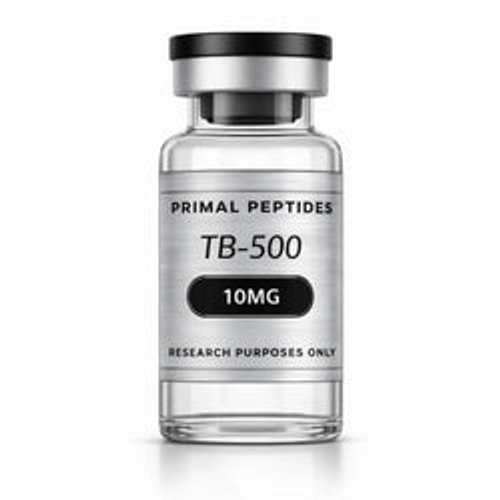
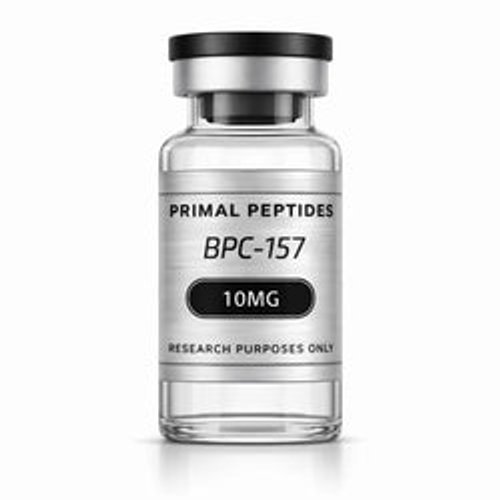
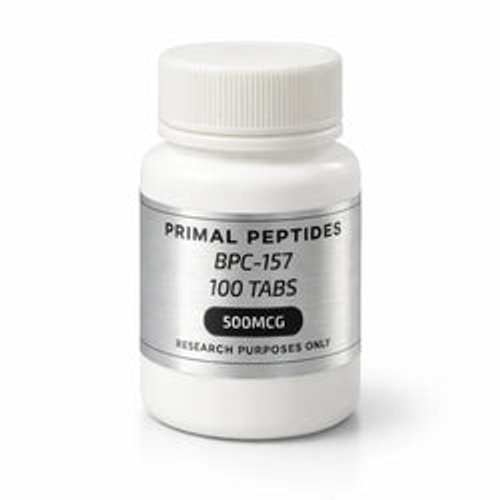
In the realm of regenerative medicine and high-performance sports, two peptides have risen to prominence for their exceptional ability to accelerate healing: BPC-157 (Body Protection Compound-157) and TB-500 (Synthetic Thymosin Beta-4). While each is powerful on its own, their combination is often referred to as the “Wolverine Stack” due to the rapid recovery effects observed in animal and anecdotal human trials.
BPC-157: The Angiogenesis Master
BPC-157 is a pentadecapeptide derived from a protective protein found in human gastric juice. Its primary mechanism of action involves the upregulation of the Nitric Oxide (NO) system, which protects the endothelium and regulates blood flow.
Crucially, BPC-157 stimulates angiogenesis—the formation of new blood vessels from pre-existing ones. This is vital for healing avascular tissues like tendons and ligaments, which typically heal slowly due to poor blood supply. By increasing vascular expression of VEGF (Vascular Endothelial Growth Factor), BPC-157 ensures that nutrients and oxygen reach the site of injury.
TB-500: Cellular Migration and Flexibility
TB-500 is a synthetic version of the naturally occurring protein Thymosin Beta-4. Its mechanism is distinct from BPC-157. TB-500 functions primarily by sequestering actin, a protein essential for cell structure and movement.
By regulating actin, TB-500 promotes cell migration to the site of injury. It effectively “signals” stem cells and repair cells to move where they are needed most. Furthermore, research suggests TB-500 reduces scar tissue formation, ensuring that healed muscle fibers retain their flexibility and linear alignment, preventing re-injury.
The Synergy: Why Stack Them?
The combination is superior because they attack tissue damage from two angles:
- BPC-157 acts locally and systemically to build the “infrastructure” (blood vessels) and reduce acute inflammation.
- TB-500 acts systemically to mobilize the “workforce” (cell migration) and ensure structural integrity.
Most research protocols suggest running BPC-157 daily due to its short half-life, while TB-500 is often administered fewer times per week due to a longer active duration.
Scientific References
- Sikiric P, et al. “Stable gastric pentadecapeptide BPC 157: novel therapy in gastrointestinal tract.” Current Pharmaceutical Design. 2011;17(16):1612-32.
- Goldstein AL, et al. “Thymosin beta 4: actin-sequestering protein functions in cell motility and signaling.” Trends in Biochemical Sciences. 2005.
- Chang, et al. “The promoting effect of pentadecapeptide BPC 157 on tendon healing involves tendon outgrowth, cell survival, and cell migration.” Journal of Applied Physiology. 2011.